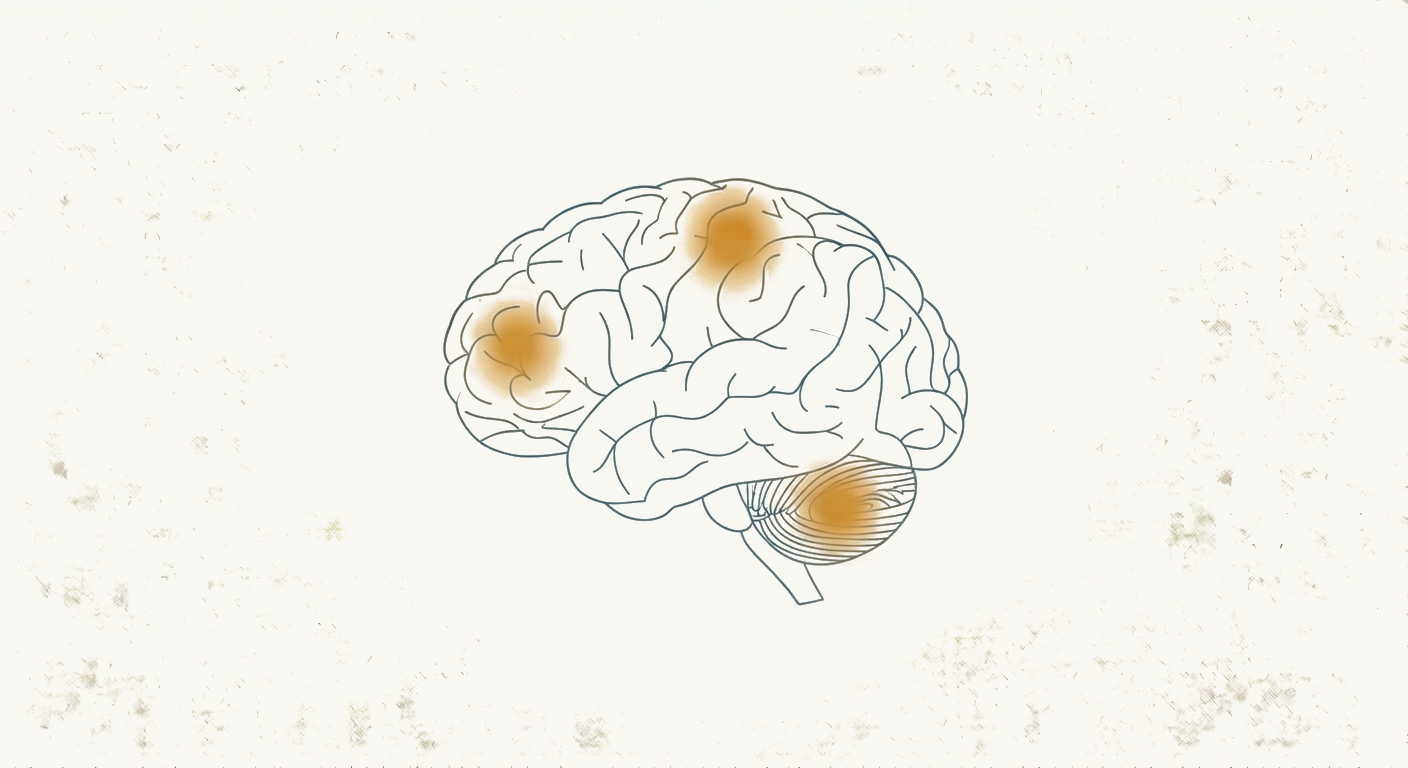
Why Exercise Changes the Brain
The relationship between physical activity and cognitive performance is one of the best-supported findings in cognitive neuroscience. Unlike many "brain training" interventions that show narrow transfer at best, aerobic exercise consistently improves multiple cognitive domains with meaningful effect sizes across thousands of participants.
The primary mechanism is biological rather than motivational. Aerobic exercise triggers a cascade of neurological effects that directly enhance brain structure and function, effects that persist for hours after exercise and accumulate over weeks and months of consistent training.
The Key Mechanisms
BDNF, Brain-Derived Neurotrophic Factor. Aerobic exercise is the most potent natural trigger of BDNF, often called "fertiliser for the brain." BDNF promotes neurogenesis (the creation of new neurons, primarily in the hippocampus), supports synaptic plasticity, and protects existing neurons from degradation. Acute exercise increases BDNF levels within minutes; consistent training elevates baseline levels.
Hippocampal volume. The hippocampus, critical for memory formation and spatial navigation, typically shrinks by approximately 1–2% per year in sedentary adults from midlife onward. A landmark study by Erickson et al. (2011) found that one year of aerobic exercise increased hippocampal volume by approximately 2% in previously sedentary older adults, effectively reversing 1–2 years of age-related atrophy.
Prefrontal cortex blood flow. Exercise acutely increases cerebrovascular blood flow, with disproportionate benefit to the prefrontal cortex, the region most involved in executive function, working memory, and cognitive control. This is the primary mechanism behind the well-documented post-exercise cognitive boost.
Discover Your IQ Score
Free 36-question assessment. Instant results. No sign-up required.
Take the Free IQ Test →What Cognitive Functions Are Most Improved
Not all cognitive domains respond equally to exercise. The strongest and most consistent effects are on:
- Executive function, particularly attention, cognitive flexibility, and inhibitory control. This is where effect sizes are largest and most replicable
- Memory encoding, hippocampal-dependent declarative memory (facts and events) benefits from exercise-driven neurogenesis
- Processing speed, reaction times and information processing rate improve with both acute exercise and long-term fitness
- Spatial reasoning, well-documented in children and in older adults, likely mediated by hippocampal volume effects
Verbal reasoning and crystallised intelligence show weaker acute effects but benefit from long-term protective effects against age-related decline.
The Dose
Acute cognitive benefits begin with a single bout of moderate-intensity aerobic exercise lasting 20–30 minutes. The cognitive window appears to last 30–60 minutes post-exercise, making timing before cognitively demanding work practical.
For structural and long-term benefits, the research supports:
- 150 minutes of moderate-intensity aerobic exercise per week (consistent with general cardiovascular health guidelines)
- Activities that elevate heart rate to 60–75% of maximum
- Consistency over weeks and months rather than single high-intensity sessions
High-intensity interval training (HIIT) shows comparable cognitive benefits to steady-state cardio in shorter time, making it practical for those with limited time.
Resistance training is a reasonable question at this point. The evidence for strength training's cognitive benefits is thinner and more recent than the aerobic literature, but it is there. Moderate-resistance training twice weekly does improve executive function in older adults, working through distinct mechanisms, primarily IGF-1 elevation and systemic inflammation reduction rather than BDNF-mediated neurogenesis. The two types of exercise appear to benefit somewhat different cognitive domains, which makes a combined aerobic and resistance programme the most defensible approach for long-term brain health.
The Evidence in Children
The data is particularly compelling for children. Multiple controlled trials have found that brief aerobic exercise breaks during the school day, as short as 20 minutes, measurably improve attention and performance on cognitive tasks administered shortly afterward. Neurologist John Ratey documented this extensively in Spark (2008), drawing on research showing that schools which prioritised aerobic physical education saw academic performance gains that went beyond what fitness alone would explain. The mechanism is the same: BDNF elevation, prefrontal blood flow, and attentional recovery from the mental fatigue of sustained classroom work.
Practical Implications for Cognitive Testing
If you are preparing for a cognitive assessment or simply want to perform at your cognitive peak on a given day: a 20–30 minute moderate aerobic workout 1–2 hours before the assessment is one of the most evidence-based acute performance enhancers available, more reliable than caffeine alone and with no cognitive cost at the other end. The mechanism is well-understood, the effect is real, and the dose is achievable.

AJ Dorey
Founder, IQScore
AJ Dorey is an English software developer who researches and writes about intelligence and cognition. He built IQScore because most online IQ tests are broken — they either inflate scores to keep people happy or bury results behind a paywall after 20 minutes of questions.
Further Reading
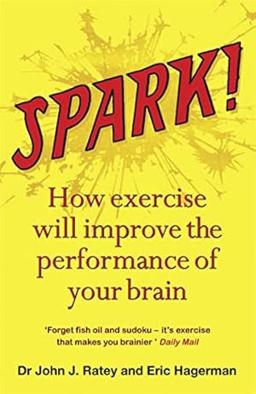
Spark: The Revolutionary New Science of Exercise and the Brain
John Ratey
Spark is the most thorough popular science book on exactly this subject, how exercise changes the brain's chemistry, architecture, and cognitive function. If this article convinced you exercise matters for cognition, Ratey's research will tell you why.
Curious where you actually rank?
Free IQ test · 36 questions · Instant results · No sign-up
Start Free IQ Test →Already know your score? Convert it to a percentile →