Cognitive Resources
Books worth reading
A curated reading list from the IQScore team — the books we think are genuinely worth your time on intelligence, memory, brain health, and how the mind actually works.
How we chose these books
After you receive your IQ score, a natural next question is: what can I actually do with this information? The books on this page represent the most useful answer we can give. They are organised around the five areas that matter most if you are serious about understanding your own cognition — and doing something about it.
We applied three criteria. First, the book had to be grounded in legitimate research — peer-reviewed science, primary studies, or the direct work of the researcher themselves. Pop-science books that misrepresent the evidence were excluded regardless of how popular they are. Second, the book had to be practically readable — not a textbook, not a lecture. Third, it had to have some relevance to one of the cognitive domains we actually measure: verbal reasoning, numerical reasoning, logical reasoning, or applied reasoning.
This list covers 20 books across five categories. Most people do not need all of them — the right starting point depends on what your test results revealed. See the “Start here” guidance below each category heading for direction based on your cognitive profile.
Where to start based on your score
Strong logical / weak verbal: Start with Thinking, Fast and Slow — it will sharpen your understanding of reasoning biases and how language shapes thought.
Strong verbal / weak numerical: Start with Make It Stick — the learning science applies directly to building numerical fluency through spaced practice.
Low applied reasoning: Start with Peak by Anders Ericsson — deliberate practice is the documented mechanism for improving real-world problem solving.
Curious about your score generally: Start with Why We Sleep — it affects every cognitive domain simultaneously and most people underestimate its impact.
What reading actually does for cognitive performance
There is a documented relationship between sustained reading and verbal intelligence. The mechanism is vocabulary acquisition and syntactic complexity — reading exposes the brain to sentence structures and word relationships that do not appear in spoken language, and this directly trains the verbal reasoning pathway that makes up roughly a quarter of IQ assessments.
Beyond verbal gains, the most reliable cognitive interventions identified in the research literature are: quality sleep (Matthew Walker’s Why We Sleep is the best entry point), aerobic exercise (John Ratey’s Spark), and deliberate practice in the specific domain you want to improve (Anders Ericsson’s Peak). These are not motivational claims — they are the interventions with the clearest mechanistic evidence in neuroscience and cognitive psychology.
What does not have strong evidence: most brain training apps, nootropic supplements, and “neuroplasticity” products. The books in this list are selected partly because their authors are honest about this distinction. We have excluded books that overstate what is achievable.
Understanding Intelligence
What IQ actually measures, what it does not, and the ongoing debates in the science of intelligence. Best starting point for understanding your test results in context.
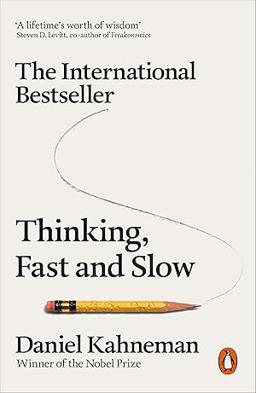
Thinking, Fast and Slow
Daniel Kahneman
One of the most important books written on how the mind works. Kahneman unpacks the two cognitive systems that drive reasoning, decision-making, and performance — and why we so often get things wrong.
View on Amazon →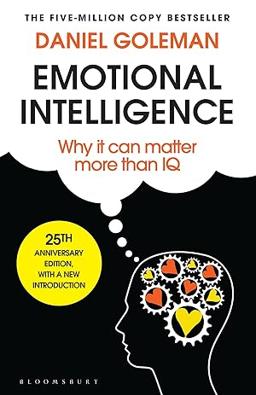
Emotional Intelligence
Daniel Goleman
The book that introduced EQ to mainstream thinking. Goleman makes a compelling case that emotional intelligence — not IQ alone — is the better predictor of success in work and life.
View on Amazon →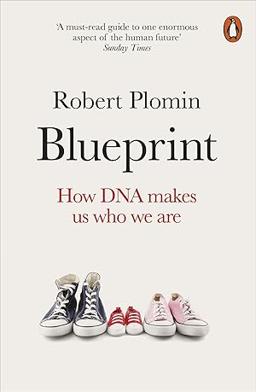
Blueprint: How DNA Makes Us Who We Are
Robert Plomin
A leading behavioural geneticist makes the case for how much DNA shapes personality and intelligence. Provocative, evidence-based, and more nuanced than the nature-vs-nurture debate usually gets.
View on Amazon →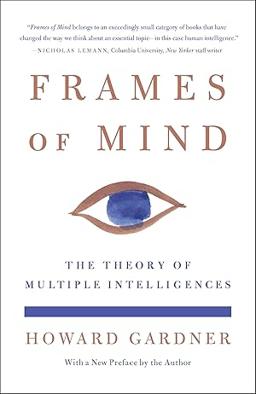
Frames of Mind: The Theory of Multiple Intelligences
Howard Gardner
Gardner's original 1983 book arguing that intelligence is not a single fixed quantity but a family of distinct abilities. The source of the multiple intelligences theory — worth reading in full.
View on Amazon →Memory & Learning
How memory is built, stored, and retrieved — and what the science says about learning faster. Directly relevant to improving your verbal and applied reasoning scores.
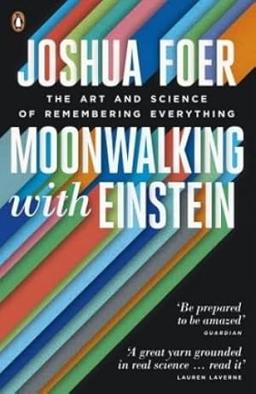
Moonwalking with Einstein
Joshua Foer
A journalist trains his memory to competition level in under a year using ancient techniques. An entertaining, eye-opening read about what human memory is actually capable of — and how to use it better.
View on Amazon →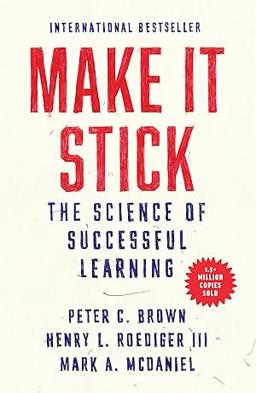
Make It Stick: The Science of Successful Learning
Brown, Roediger & McDaniel
The cognitive science of how we actually learn — not how we think we learn. Packed with counterintuitive findings that change how you study, practise, and retain information.
View on Amazon →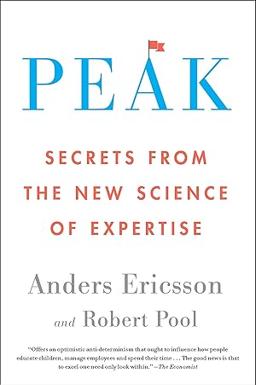
Peak: Secrets from the New Science of Expertise
Anders Ericsson
The definitive research on how expertise is developed. Ericsson's work on deliberate practice dismantles the myth of innate talent and shows how cognitive ability can be systematically built.
View on Amazon →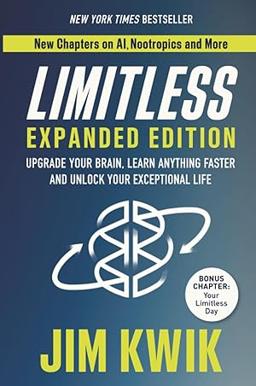
Limitless
Jim Kwik
A practical guide to memory, focus, and accelerated learning from a brain coach who works with performers across sport, business, and film. Accessible and immediately actionable.
View on Amazon →Brain Health & Performance
Sleep, exercise, and nutrition are the three best-evidenced levers for cognitive performance. These books cover each one rigorously, without the hype.
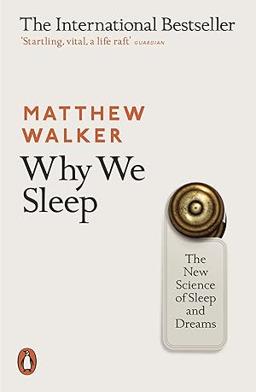
Why We Sleep
Matthew Walker
The definitive popular science book on sleep — what it does to memory, learning, emotional regulation, and long-term brain health. If you read one book on this list, make it this one.
View on Amazon →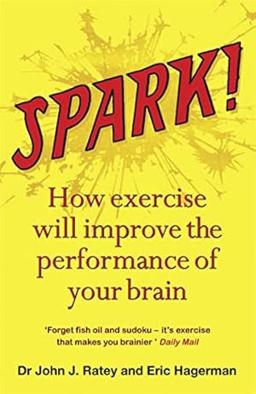
Spark: The Revolutionary New Science of Exercise and the Brain
John Ratey
Ratey makes a rigorous case for exercise as the single most powerful tool for improving brain function — covering the neurochemistry behind how movement affects cognition, mood, and learning.
View on Amazon →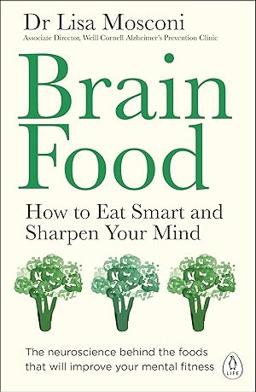
Brain Food: The Surprising Science of Eating for Cognitive Power
Lisa Mosconi
Written by a neuroscientist who specialises in diet and brain health, this goes well beyond general nutrition advice into what specific foods do to cognitive function and long-term brain structure.
View on Amazon →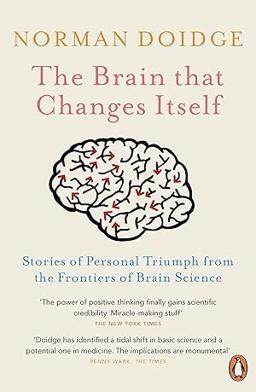
The Brain That Changes Itself
Norman Doidge
Neuroplasticity explained through real cases of people who changed their brains through deliberate training or recovered dramatically from injury. Compelling evidence that the brain is far more adaptable than we assumed.
View on Amazon →Attention, Focus & Mental Clarity
Focused attention is the foundation of logical and applied reasoning. These books address why attention is under sustained attack — and what the research says about protecting it.
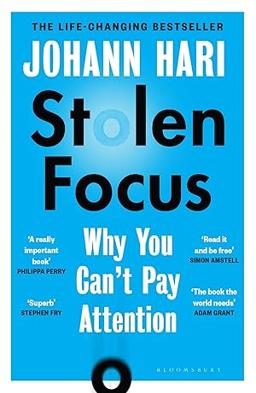
Stolen Focus
Johann Hari
A deeply researched investigation into why attention spans are collapsing — and what can realistically be done about it. One of the most important reads of the last few years for anyone who finds focus increasingly difficult.
View on Amazon →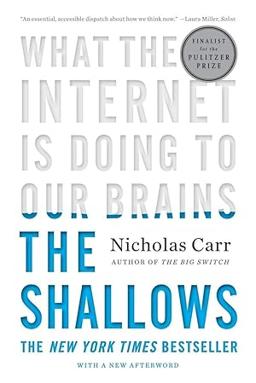
The Shallows: What the Internet Is Doing to Our Brains
Nicholas Carr
A Pulitzer Prize finalist examining what heavy internet use does to how we read, remember, and think at a structural level. Still the most rigorous popular account of how screens are rewiring attention.
View on Amazon →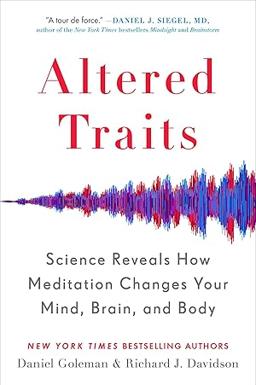
Altered Traits
Daniel Goleman & Richard Davidson
Two scientists with decades of research between them examine what meditation actually does to the brain — separating the well-evidenced benefits from the hype. The most honest book on the subject.
View on Amazon →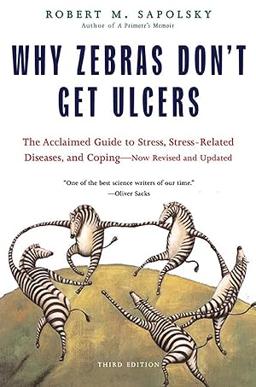
Why Zebras Don't Get Ulcers
Robert Sapolsky
The gold standard on stress biology — how chronic stress affects the brain, memory, and cognitive performance. Deeply researched, unexpectedly funny, and one of the best popular science books ever written.
View on Amazon →Mind, Society & Self
Intelligence does not exist in isolation. These books examine how personality, culture, language, and environment shape cognitive expression — the context behind the number.
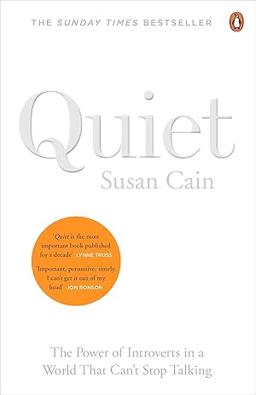
Quiet: The Power of Introverts in a World That Can't Stop Talking
Susan Cain
One of the most thoughtful books written on introversion — what it means neurologically, why introverts are systematically undervalued, and why the world needs both personality types.
View on Amazon →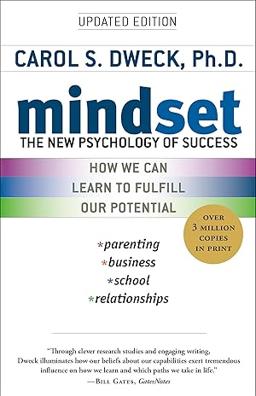
Mindset: The New Psychology of Success
Carol Dweck
Dweck's research on fixed versus growth mindset shows how our beliefs about intelligence shape performance — especially in children. Essential reading for parents, teachers, and anyone interested in how ability actually develops.
View on Amazon →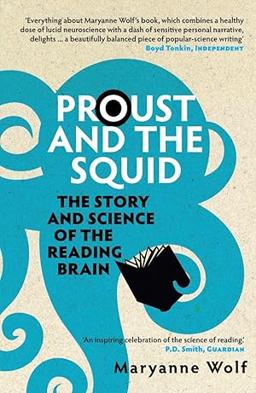
Proust and the Squid
Maryanne Wolf
The neuroscience of reading — what changes in the brain when we learn to read, and why deep, sustained reading is unlike any other cognitive activity. Beautifully written and genuinely illuminating.
View on Amazon →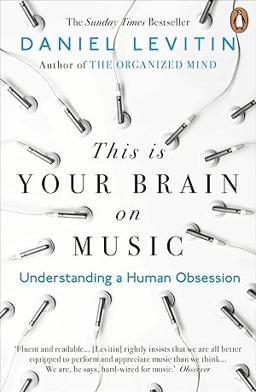
This Is Your Brain on Music
Daniel Levitin
Written by a neuroscientist and former record producer, this is the most readable account of what music actually does inside the brain. Fascinating whether you're a musician or simply someone who loves music.
View on Amazon →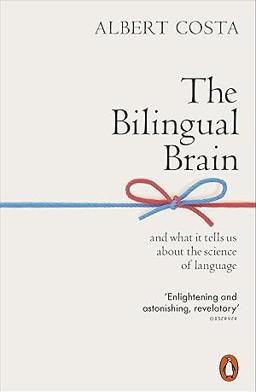
The Bilingual Brain
Albert Costa
A clear-eyed examination of what speaking two languages actually does — and doesn't do — to cognition. Based on decades of research, far more nuanced than the claims you'll find in most popular articles.
View on Amazon →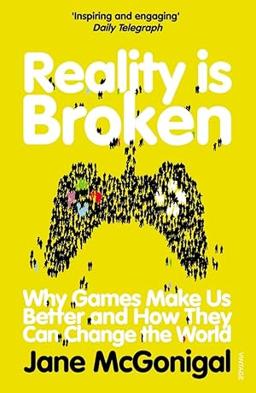
Reality Is Broken
Jane McGonigal
McGonigal makes the positive case for games — what they do to motivation, problem-solving, and collaboration. Whether or not you agree with her argument, it's a compelling read that reframes how you think about gaming.
View on Amazon →Free resources
These are freely available resources — no purchase required — that are worth bookmarking alongside the reading list above.
Free browser-based cognitive tasks targeting working memory, reaction time, and pattern recognition. No account required.
Over 70,000 free public-domain books. Sustained reading of complex texts — especially 19th-century literature — is one of the most reliable ways to expand vocabulary and verbal reasoning.
Free structured lessons in logical reasoning, formal arguments, and fallacy identification — directly relevant to improving logical reasoning performance.
The OECD releases sample questions from the Programme for International Student Assessment — a useful benchmark for applied reasoning and quantitative literacy.
Related articles from IQScore
Disclosure: Some links on this page are affiliate links. As an Amazon Associate, IQScore earns from qualifying purchases. This comes at no extra cost to you and does not influence which books we recommend — this list reflects what we genuinely think is worth reading.
Curious where you rank?
Free IQ test · 36 questions · Instant results · No sign-up
Start Free IQ Test →