
The IQ of Harvard Students
Based on published SAT scores and research linking SAT results to IQ, Harvard students average around IQ 129, putting the typical admit in the top 3% of the population. The Ivy League average across all schools sits around IQ 126. That sounds daunting, but the range is wide: students with scores of 115 get in, students with scores of 145 get rejected. The number is not a hard threshold.
More importantly: Harvard doesn't test IQ, doesn't ask for IQ scores, and the research shows that above a certain cognitive baseline, non-academic factors, essays, leadership, legacy status, athletic recruitment, often matter more than extra intelligence.
The IQ Estimates Behind the Numbers
These figures come from Frey and Detterman (2004), who found that SAT scores track IQ scores at a correlation of r = 0.82, close enough that SAT data is widely used as an IQ proxy in academic research. Using published Ivy League SAT averages, the estimated IQ breakdown looks like this:
These are averages, not thresholds. The distribution at any elite university is wide. Students with estimated IQs of 115 attend Harvard; students with estimated IQs of 145 are rejected. The average is far less important than the full picture of an application.
Discover Your IQ Score
Free 36-question assessment. Instant results. No sign-up required.
Take the Free IQ Test →Is There an IQ Threshold for Harvard Admission?
No formal IQ threshold exists. Harvard does not test IQ and does not request IQ scores. The SAT and ACT are the closest proxies in the application, and even those became optional for many cycles post-2020.
What Harvard's admissions data does show is that cognitive ability, as measured by academic performance, standardised tests, and the intellectual quality of application essays, is necessary but not sufficient. Legacy status, athletic recruitment, extracurricular distinction, and demonstrated leadership all carry significant weight in admissions decisions.
What Gets People Into Harvard
Research on Ivy League admissions (Chetty et al., 2023, the most comprehensive study of elite admissions to date) found that conditional on academic credentials, students from the top 1% of family income are significantly more likely to be admitted than equally qualified students from lower income backgrounds. Legacy preference and donor relationships account for a meaningful portion of this gap.
The numbers are specific enough to be uncomfortable. Legacy applicants to Harvard were admitted at roughly 34%, compared to 5.9% for non-legacies. Students categorised as ALDCs (athletes, legacies, dean's interest list, children of faculty and staff) made up about 43% of admitted students despite representing a small fraction of the applicant pool. Chetty's team found that among applicants with identical academic credentials, students from families with income above $630,000 per year were admitted at roughly twice the rate of lower-income students. The study did not find evidence that these students were cognitively superior. They were wealthier, and their applications reflected the resources that wealth provides.
Does Harvard Actually Produce Better Outcomes?
This is the question the IQ angle leads to, and the answer is less obvious than the prestige suggests. Economists Stacy Dale and Alan Krueger published research in 2002 and again in 2011 tracking the earnings of students who were accepted to selective universities but chose to attend less selective ones instead. Their finding: students who applied to highly selective schools earned similar incomes regardless of whether they attended one. The ambition and cognitive profile required to be competitive at that level mattered more than where the degree came from.
There are exceptions. For certain careers, Supreme Court clerkships, certain investment banking programmes, academic positions at research universities, the name on the degree does carry real weight in early hiring. But for most paths, the person you were when you applied predicts outcomes better than the school you attended.
What This Means in Practice
If you are asking what IQ you need for Harvard, the honest answer is: probably around 120 to clear the academic baseline comfortably, and after that, the intelligence question becomes much less important than the application question. The school selects for a mix of cognitive ability, preparation, connections, and resources. Some of those are in your control. Some are not. Knowing which is which is more useful than chasing a specific IQ number.
For context on where IQ 129 sits relative to the general population, see the full IQ 129 profile, percentile rank, career data, and what the research says about outcomes at that level.

AJ Dorey
Founder, IQScore
AJ Dorey is an English software developer who researches and writes about intelligence and cognition. He built IQScore because most online IQ tests are broken — they either inflate scores to keep people happy or bury results behind a paywall after 20 minutes of questions.
Further Reading
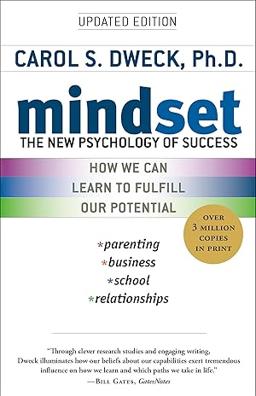
Mindset: The New Psychology of Success
Carol Dweck
Mindset is the most important book on the relationship between measured ability and actual achievement. Dweck's research on fixed versus growth mindset shows why IQ thresholds matter far less than most applicants believe, and what actually drives outcomes at elite universities.
Curious where you actually rank?
Free IQ test · 36 questions · Instant results · No sign-up
Start Free IQ Test →Already know your score? Convert it to a percentile →